 ES
ES
 EN
EN
 IT
IT

Discover São Paulo
 Autor(a):
promocao |
Publicado em:
Autor(a):
promocao |
Publicado em:
São Paulo is a place of vibrant contrasts, where urban modernity coexists with preserved natural landscapes, rich cultural traditions, and communities full of stories to tell. You can explore the state through themed itineraries that reveal unique and authentic experiences — whether in the heart of São Paulo city, historic towns in the countryside, or charming seaside villages.
From cultural and gastronomic tours to trails through the Atlantic Forest, including immersive experiences with quilombola communities, wine tourism routes, ecotourism, afrotourism, luxury travel, LGBT+ tourism, and community-based experiences, each journey invites travelers to discover new perspectives of the state.
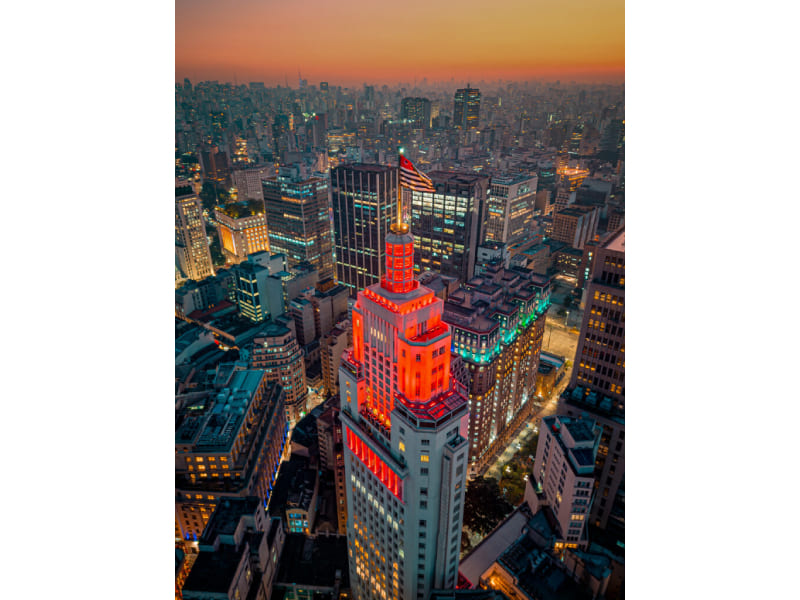
Farol Santander/Photo: Mavinho Acoroni/VSPCB
Get ready to be amazed by the diversity, hospitality, and natural and cultural richness that São Paulo has to offer!
Explore the Living Past of São Paulo
To explore the city of São Paulo, a great place to start is the historic downtown. Stroll through pedestrian-only streets and discover buildings and public spaces that preserve the rich history of the city’s journey to becoming Brazil’s largest metropolis. The historic downtown is divided into two main areas: the Old Center and the New Center.
The Old Center, also known as the Historic Triangle, is where the city was originally founded. It features important landmarks such as the Pateo do Collegio (the founding site), the impressive Neo-Gothic Sé Cathedral and the traditional São Bento Monastery (famous for its Gregorian chant Masses), cultural spaces such as Farol Santander, Museu das Favelas, CCBB (Centro Cultural Banco do Brasil), Caixa Cultural, MUB3 (Stock Exchange Museum), and historic mansions including Solar da Marquesa and Casa da Imagem.
The New Center refers to the area that developed starting from Viaduto do Chá, symbolizing the city’s modernization and growth. This vibrant district is known for its modern buildings, shopping galleries, lively nightlife, and leisure spaces. Highlights include the majestic Municipal Theater, the contemporary cultural center Sesc 24 de Maio, the iconic Copan Building, the eclectic Galeria do Rock and the bustling Praça da República.
Luz

Luz Train Station/ Photo: Mavinho Acoroni/VSPCB
The Luz district is one of São Paulo’s most important historic neighborhoods, renowned for the grand Luz Train Station, the Pinacoteca de São Paulo art museum, the innovative Museum of the Portuguese Language, and the Museum of Sacred Art.
Liberdade
The Liberdade neighborhood is known as one of the largest centers of Japanese culture outside Japan, with streets decorated with traditional lanterns, typical markets, and vibrant Asian cuisine. On weekends, its popular open-air fair features local crafts, traditional foods, and cultural performances. The area also preserves important Afro-Brazilian roots, including churches and historic sites connected to the Black community.
Bom Retiro
Bom Retiro is a multicultural neighborhood influenced by Jewish, Korean, Bolivian, and other communities. Known for its bustling fashion retail scene, it also stands out for its diverse cuisine, cultural centers, and places of worship. Três Rios Street, in the heart of the neighborhood, was named one of the coolest streets in the world in 2021. It’s a vibrant reflection of São Paulo’s cultural diversity.
Avenida Paulista
Avenida Paulista stands as one of São Paulo’s key cultural and financial hubs, home to museums, cultural centers, shopping malls, restaurants, and open-air events. On Sundays, the avenue is closed to traffic and turns into a lively pedestrian boulevard filled with street performers, artists, and cultural expressions. It’s a must-visit for anyone looking to experience the city’s vibrant energy and diversity. Highlights along the avenue include MASP (São Paulo Museum of Art), Japan House, Casa das Rosas, Instituto Moreira Salles, Centro Cultural Fiesp, Itaú Cultural and Parque Trianon.
Vila Madalena
Vila Madalena is a bohemian and artistic neighborhood in São Paulo, famous for its streets covered in colorful graffiti, especially at Beco do Batman, an iconic urban art spot. Filled with galleries, trendy bars, and cafés, the neighborhood offers a vibrant cultural scene and lively nightlife. It’s the perfect place for those seeking culture, creativity, and fun.
Cultural Routes: Art, Literature & Museums
Municipal Theater
The Municipal Theater is recognized as Brazil’s leading opera house and a cultural landmark. Visitors can enjoy guided tours that reveal the rich history of this impressive building, inspired by the Paris Opera. Just below the stage is the Bar dos Arcos, one of the city’s most iconic underground venues.
Pinacoteca de São Paulo
Widely regarded as one of Brazil’s most important museums, the Pinacoteca de São Paulo is a must-see for visitors eager to discover the richness and diversity of Brazilian art. Housed in a beautifully restored historic building, the museum showcases one of the country’s most impressive collections, with highlights ranging from 19th-century masterpieces to contemporary works.
Museum of the Portuguese Language
The Museum of the Portuguese Language, located at Estação da Luz in São Paulo, is an interactive space dedicated to the history, evolution, and richness of the Portuguese language. Through multimedia exhibitions, the museum celebrates the cultural diversity of Portuguese-speaking countries. It is one of Brazil’s most innovative museums, fostering a love for the language and literature.
Museu do Ipiranga
The Museu do Ipiranga, officially the Museu Paulista of the University of São Paulo (USP), is one of Brazil’s most important history museums. Located in Independence Park in São Paulo, it houses a vast collection focused on Brazilian history and culture, especially the imperial period. Its grand building and Versailles-inspired gardens are also major highlights.
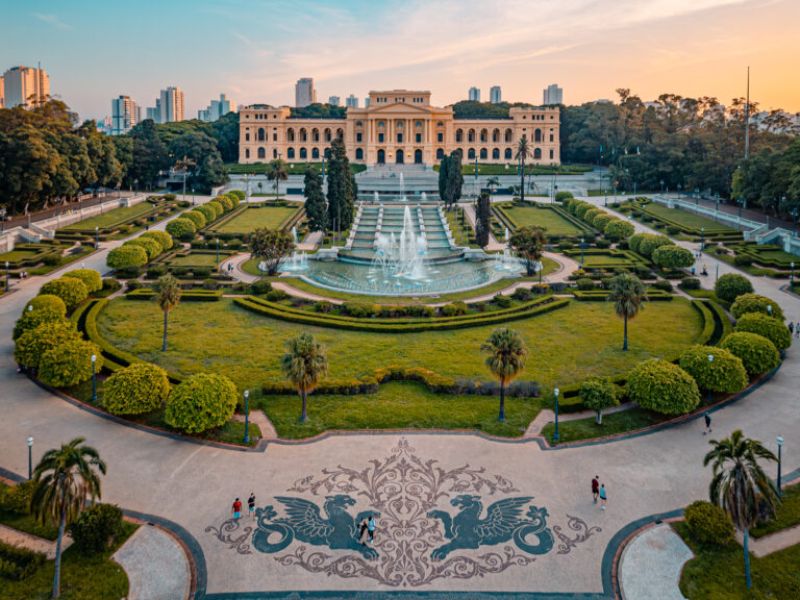
Museu do Ipiranga/ Photo: Mavinho Acoroni/VSPC
Football Museum
The Football Museum, located in São Paulo’s Pacaembu Stadium, is an interactive space that celebrates the history and culture of Brazilian football. Through multimedia exhibits, the museum highlights great players, historic moments, and the nation’s passion for the sport. It is a popular tourist attraction that draws fans of all ages.
MASP
The MASP (São Paulo Museum of Art) is considered the most important art museum in the Southern Hemisphere, with around 10,000 pieces covering African, American, Asian, Brazilian, and European art from Antiquity to the 21st century. Located on Avenida Paulista, it stands out for its modern and iconic architecture, featuring the suspended building designed by Lina Bo Bardi.
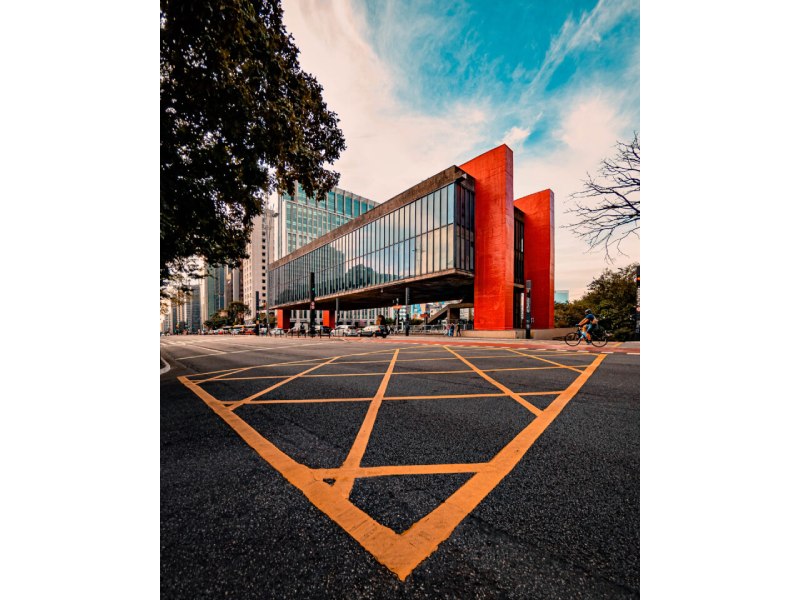
MASP (São Paulo Museum of Art)/ Photo: Mavinho Acoroni/VSPCB
Casa das Rosas
Casa das Rosas is an iconic cultural space located on Avenida Paulista in São Paulo, dedicated to poetry and literature. Housed in a classic 1935 mansion, it hosts exhibitions, poetry readings, workshops, and holds the literary archive of Haroldo de Campos. It is one of Brazil’s leading centers for literary promotion.
Embu das Artes
Embu das Artes is a charming town located just 40 km from São Paulo city, making it perfect for a one-day trip. Officially recognized as Intangible Cultural Heritage of the State of São Paulo, the town is renowned for its vibrant artistic and cultural atmosphere, featuring craft fairs, art studios, galleries, and quaint local shops. Its cobblestone, tree-lined streets filled with history invite visitors to enjoy peaceful walks. It’s the ideal destination for those seeking art, culture, and relaxation close to São Paulo.
São Luiz do Paraitinga
São Luiz do Paraitinga is a charming historic town with a colonial center recognized as a National Cultural Heritage Site. It is famous for its traditional countryside festivals, such as the lively Carnival of Marchinhas, the Folia do Divino, and the Caipira Cuisine Festival. These celebrations keep the cultural roots of rural São Paulo alive. A destination filled with music, faith, and flavor.
São Paulo: A World of Flavors
Municipal Market (Mercadão)
Affectionately known as Mercadão, the Municipal Market is one of the most traditional spots in the city. With its grand architecture and colorful stained-glass windows, the market offers a wide variety of products — from artisanal cheeses, traditional sweets, award-winning cachaças, and spicy peppers to exotic fruits and regional delicacies, perfect for tasting or taking home as souvenirs.
For a food break, be sure to try the market’s most famous specialties: the iconic mortadella sandwich and the generous codfish pastry (pastel de bacalhau) — true symbols of São Paulo’s local cuisine.
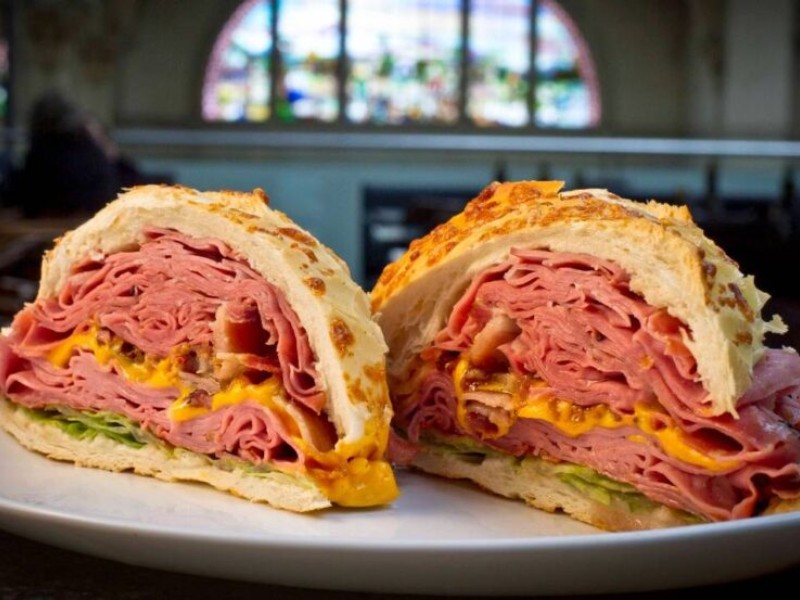
Mortadella sandwich from the Mercadão / Photo: Santa Portal
Bauru Sandwich
The Bauru Sandwich, also an Intangible Cultural Heritage of the State of São Paulo was created in 1937 at the Ponto Chic restaurant. Made with roast beef, melted cheese, tomato, and pickles on “pão francês” (a popular local bread), it is a true icon of São Paulo’s gastronomy.
Pernil Sandwich
The “Pernil Sandwich from Estadão” is an iconic snack from Bar e Lanches Estadão in São Paulo, known for its juiciness and French roll filled with thin slices of pork leg, rich tomato sauce, onions, and bell peppers. This sandwich is a classic of São Paulo’s cuisine, served since the 1960s and enjoyed by a diverse crowd in the city’s downtown area.
Virado à Paulista
Virado à Paulista, recognized as an Intangible Cultural Heritage of the State of São Paulo, is a traditional dish that combines beans with manioc flour, rice, pork crackling, sausage, kale, fried egg, and fried banana. Typically enjoyed on Mondays, it reflects the blend of Indigenous, Portuguese, African, and Italian cultures that shaped the region.
A Journey Through Black History and Culture
São Paulo is a lively cultural mosaic and some of its neighborhoods offer deep insights into Afro-Brazilian history and heritage. Located in the city center, the Liberdade neighborhood is famous for its strong Japanese cultural influence, while also holding deep roots connected to the history of the Black population in Brazil. It is home to important landmarks from Brazil’s slavery era, such as the Church of the Holy Cross of the Souls of the Hanged¹ and the Chapel of the Afflicted¹—powerful symbols of faith, struggle, and resilience.
Also located in the central area of São Paulo, the Bixiga neighborhood is now widely recognized for its Italian heritage. However, its origins are deeply rooted in the resistance and cultural legacy of the Black population. One of its cultural landmarks is Casa Mestre Ananias², which keeps Afro-Brazilian traditions alive through vibrant performances of samba de roda and capoeira, offering visitors an authentic and immersive cultural experience. Every Tuesday there is a Roda de Capoeira (we recommend checking the venue’s schedule in advance to plan your visit).
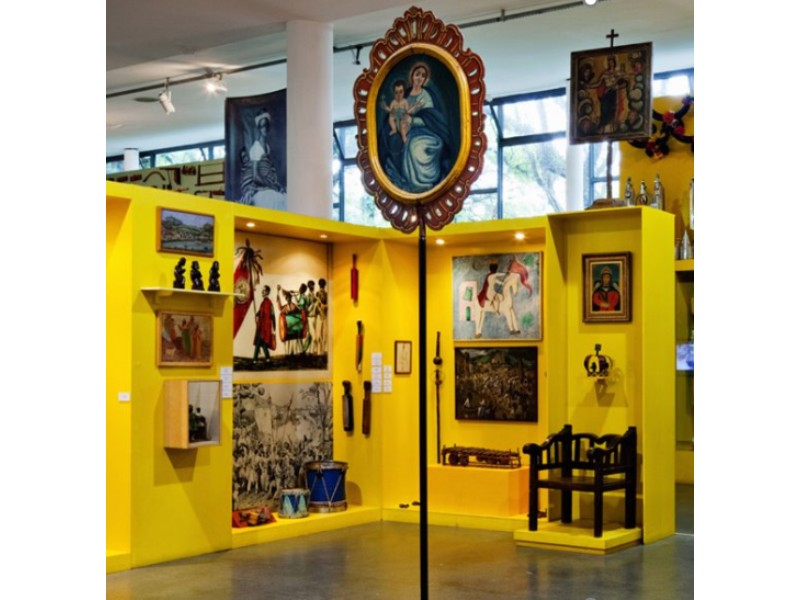
Afro Brazil Museum / Photo: Press Release
In the southern part of the city, the Afro Brazil Museum³—located within the iconic Ibirapuera Park—features a remarkable collection of over 8,000 works. The museum highlights the richness of African culture and its profound impact on Brazilian society in areas such as art, religion, labor, and beyond.
In the interior of São Paulo state, visiting “quilombos” offers a unique opportunity to explore the rich heritage of Afro-Brazilian communities. Quilombos are settlements established by descendants of escaped enslaved people who sought refuge in isolated areas as a form of resistance to slavery in Brazil. More than just safe havens, these communities are vibrant centers dedicated to preserving African and Afro-Brazilian culture, traditions, and ways of life.
Destinations such as Salto de Pirapora ⁴ (home to Quilombo Cafundó) and Ubatuba ⁴ (site of Quilombo da Fazenda) provide authentic experiences that highlight Afro-Brazilian history, culture, and cuisine, offering visitors a meaningful connection to this important legacy.
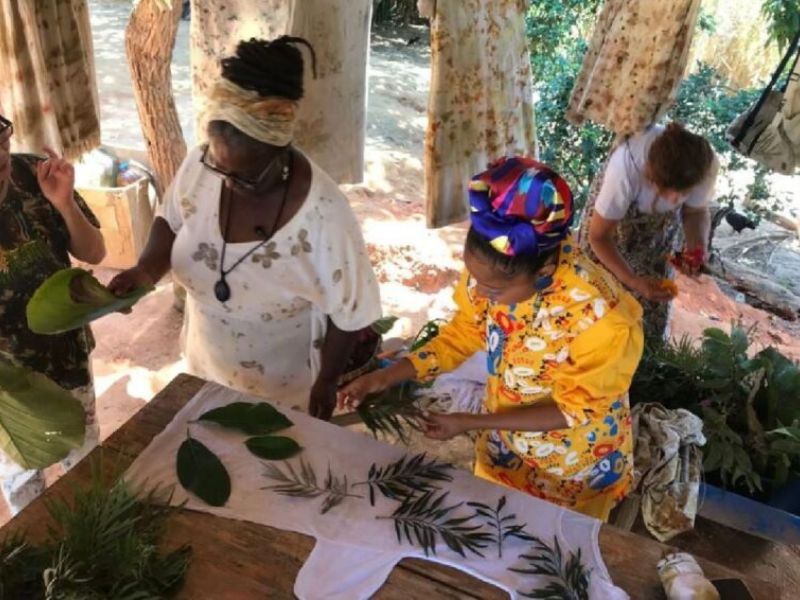
Quilombo Cafundó/ Photo: Guia do Turismo Brasil
Discover more in:
Afrotourism Guide (São Paulo State)
Afrotourism Guide (São Paulo City)
Directions
1. Holy Cross Church of the Souls of the Hanged and the Chapel of the Afflicted
Located near Liberdade Station (Blue Line – Metro Line 1).
- Casa Mestre Ananias
Approximately 14 minutes on foot from Brigadeiro Station (Green Line – Metro Line 2) or 13 minutes on foot from São Joaquim Station (Blue Line – Metro Line 1). - Afro Brazil Museum
The nearest metro stations are:
- AACD‑Servidor Station (Lilac Line 5)
From this station, it’s about a 600-meter walk to Gate 10 of Ibirapuera Park, and approximately 2.3 km in total to reach the museum. - Brigadeiro Station (Green Line – Metro Line 2), about 2.5 km from the museum.
- Ana Rosa Station (Blue and Green Lines – Metro Lines 1 and 2), approximately 3 km away.
From Brigadeiro and Ana Rosa stations, you can take bus lines that pass by Ibirapuera Park, offering convenient access to the museum. Bus routes vary depending on your location, so we recommend using Google Maps or Moovit to find the best option.
- Both cities, Salto de Pirapora and Ubatuba, are accessible via well-maintained roads.
One of the most popular LGBT+ destinations in the world!
São Paulo is widely recognized as one of the world’s top LGBT+ friendly destinations, offering a unique blend of diversity, vibrant culture, lively nightlife, and strong social activism.
Areas such as Avenida Paulista, Baixo Augusta, Barra Funda, Frei Caneca, Largo do Arouche and Santa Cecilia are key entertainment hubs for the LGBT+ community, featuring cultural spaces, bars, and nightclubs.
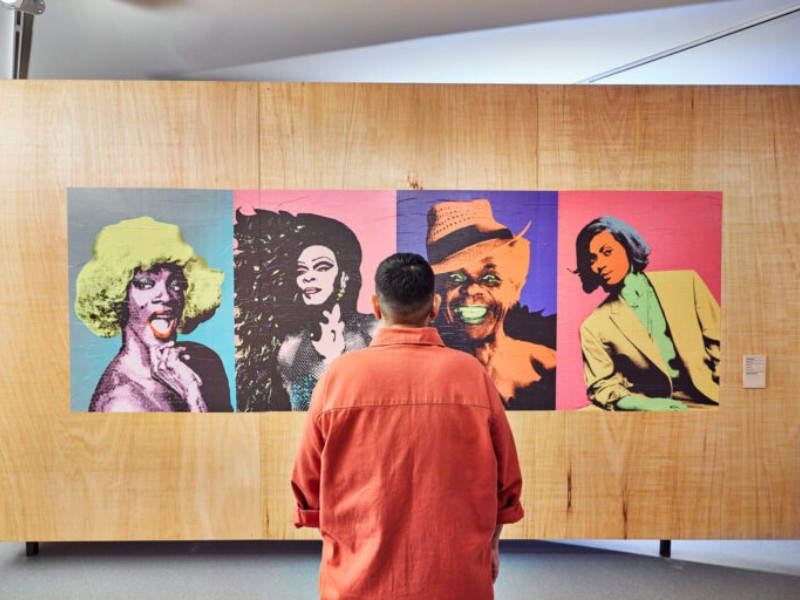
Museum of Sexual Diversity/ Photo: Visite Museus
The Museum of Sexual Diversity, one of the first of its kind in Latin America, offers temporary exhibitions, guided tours, workshops, and film screenings, making it a key space for LGBTQIA+ history and culture.
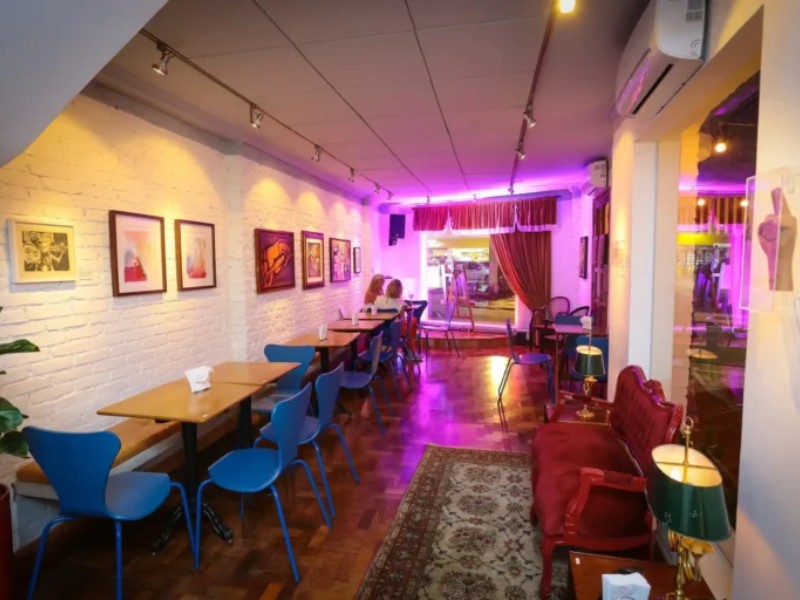
Casa Fluida/ Photo: Catraca Livre
Casa Fluida is a welcoming hub for the LGBTQ+ community, offering not only a bar but also an engaging space for artistic and cultural expression.
São Paulo also hosts a wide range of festivals and events, including the São Paulo LGBT+ Pride Parade on Avenida Paulista — considered one of the largest in the world, attracting millions of participants each year.
In the state of São Paulo, more than 40 cities are officially recognized as inclusive destinations for the LGBT+ community. Among them, cities such as Campinas and Santos stand out as notable LGBT+ friendly destinations. Campinas offers a vibrant urban scene with lively nightlife, bars, and parties, while Santos combines beach charm with rich cultural offerings and diverse events. Both cities host large LGBT+ Pride Parades that celebrate diversity and inclusion.
🌈 Discover More
For a deeper look into LGBT+ tourism in São Paulo, explore the official guides:
- 📍 City of São Paulo:
LGBTQIA+ Tourism Guide – São Paulo City (PDF)
Discover inclusive attractions, nightlife, events, and welcoming neighborhoods in the city. - 📍 State of São Paulo:
LGBTQIA+ Tourism Guide – São Paulo State
Explore destinations across the state recognized for their diversity, inclusion, and welcoming atmosphere. - 🗺️ Interactive Map – LGBT+ Tourism in São Paulo:
LGBTQIA+ Tourism Map of São Paulo State
Access a full list of over 40 cities officially classified as LGBT+ friendly, including beach towns, countryside escapes, and vibrant urban centers.
Nature, Ecotourism, and Adventure Tourism
While São Paulo is often associated with skyscrapers and a fast-paced lifestyle, the city also offers surprising opportunities for those seeking nature without leaving the urban landscape.
In the heart of the city, Ibirapuera Park stands as São Paulo’s most iconic green space. With its sprawling gardens, serene lakes, picnic areas, walking trails, and bike paths, it’s the perfect place to relax amidst lush greenery. The park also offers a variety of restaurants and kiosks where visitors can enjoy a meal or a snack outdoors. Beyond its natural beauty, Ibirapuera is home to important museums, cultural spaces, and iconic architecture.
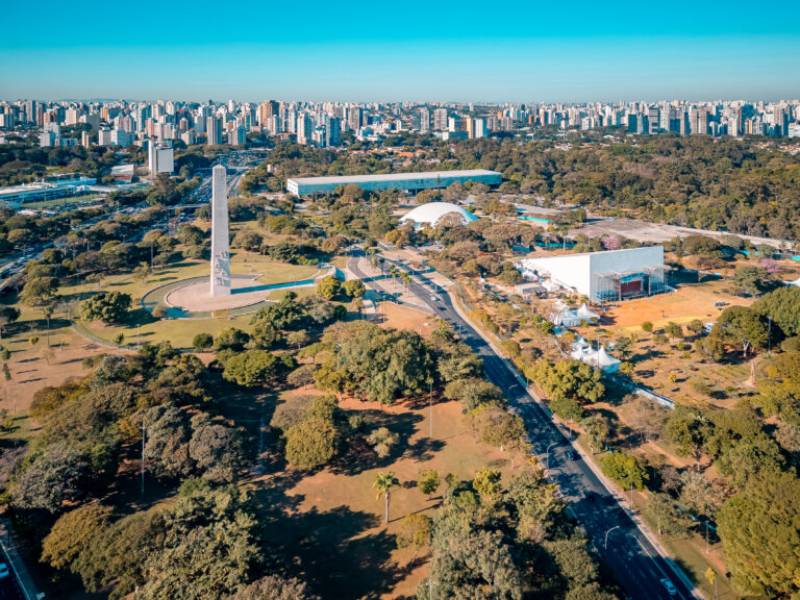
Ibirapuera Park/ Photo: Daniel Déak (SPTuris)
To the south, the São Paulo Botanical Garden and Zoo offer an immersive experience in Brazil’s biodiversity. The Botanical Garden features peaceful trails, native and exotic plant collections, and the Botanical Museum, which showcases the richness of the country’s flora. Right next door, the São Paulo Zoo is home to hundreds of animal species and provides engaging educational experiences for visitors of all ages.
Still in the southern zone of São Paulo, Serra do Mar State Park is home to the largest continuous stretch of preserved Atlantic Forest in Brazil. At the Curucutu Nucleus, for example, visitors can explore lush trails surrounded by native forest — and on clear days, the park’s natural viewpoints reveal stunning views of the ocean and coastal towns.
In the northern part of the city, Cantareira State Park impresses with one of the largest preserved areas of Atlantic Forest within an urban environment anywhere in the world. Its ecological trails—like the famous Pedra Grande Trail—lead to a spectacular viewpoint overlooking the city skyline.
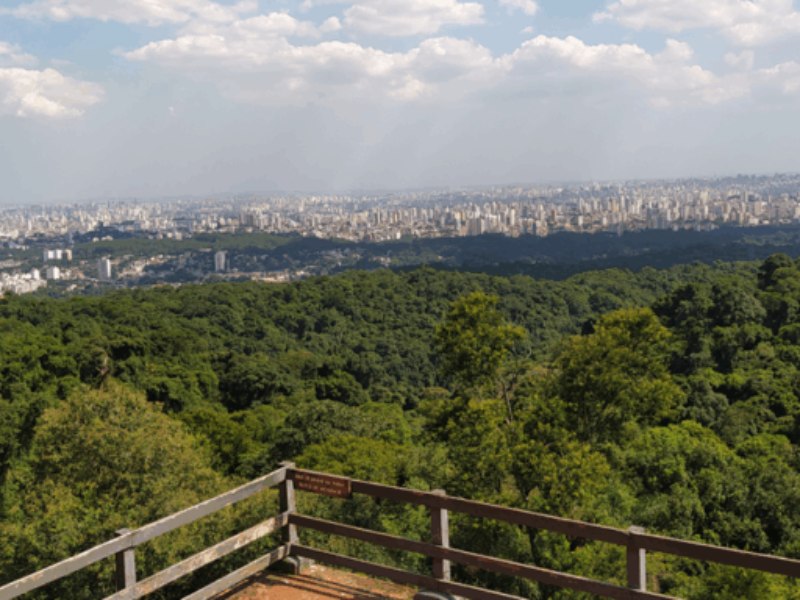
View from Pedra Grande Trail/ Photo: Guia de Áreas Protegidas
In the countryside of São Paulo state, PETAR (Alto Ribeira Tourist State Park), located in the Vale do Ribeira region — an area of rich Atlantic Forest biodiversity — stands out for housing the largest cave system in Brazil. With trails, crystal-clear rivers, and a wide variety of fauna and flora, the park is a perfect destination for ecotourism and adventurous experiences in close contact with nature.
Still in the same region, Intervales State Park is considered one of the top birdwatching destinations in São Paulo. Home to hundreds of bird species, the park offers well-maintained infrastructure and expert guides who assist visitors in spotting and identifying rare and endemic birds.
Discover more in: https://visitesaopaulo.com/roteiro/
Coastal Paradise: Sun and Sea Escapes
On the southern coast, Santos is a beach destination near the city of São Paulo, ideal for a day trip or a weekend by the sea. The city offers cultural attractions such as the Coffee Museum, a scenic ride to Monte Serrat with panoramic views, and historic tram tours through the old town. It’s a destination that blends seaside beauty with history and urban charm.
Still on the southern coast, Ilha do Cardoso State Park is a protected environmental area in the southernmost part of São Paulo, known for its rich biodiversity and untouched natural landscapes. One of its main highlights is dolphin watching in the Cananéia Channel, especially the Guiana dolphins (Sotalia guianensis). The park also features hiking trails, waterfalls, wild beaches, and authentic caiçara communities.
São Sebastião, located on the northern coast of São Paulo, boasts paradisiacal beaches and is one of the main spots for humpback whale watching during the winter months, especially between May and August. Whales can be seen near beaches such as Maresias and Boiçucanga. The destination combines preserved nature with stunning beaches and ecotourism.
Ilhabela, also on the northern coast of São Paulo, is known for its pristine beaches, waterfalls, and lush natural landscapes. A highlight is the Bonete Trail, which leads to one of the island’s most beautiful and secluded beaches. The hike passes through stretches of Atlantic Forest and offers breathtaking views. It’s perfect for those seeking adventure and a deep connection with nature.
Discover more in: https://visitesaopaulo.com/roteiro/
Experiences with the local Community
Along the coast of São Paulo state, some cities offer experiences that showcase the region’s rich local culture.
In Caraguatatuba, guided tours with local shellfish farmers provide an intimate look at the traditional mussel cultivation that has supported the community for generations. The experience includes a scenic boat ride to the offshore farming sites, where caiçara hosts share insights into their sustainable practices and coastal way of life.
In Itanhaém, the Awa Porungawa Dju Indigenous Village welcomes visitors for an immersive cultural experience. The tour includes meeting the village chief, exploring the community’s daily life and traditions, and learning about local indigenous crafts and customs.
Discover more in: https://visitesaopaulo.com/roteiro/
Adventure Without Barriers – A Destination for All
Socorro
Known as “Adventure City,” Socorro is a national and international benchmark for accessible tourism. Attractions, hotels, restaurants, and public spaces have been adapted with ramps, tactile flooring, accessible restrooms, and audible signals. Even adventure activities like rappelling, zip-lining, and rafting are inclusive, with specialized equipment and trained staff to ensure safety and fun for everyone.
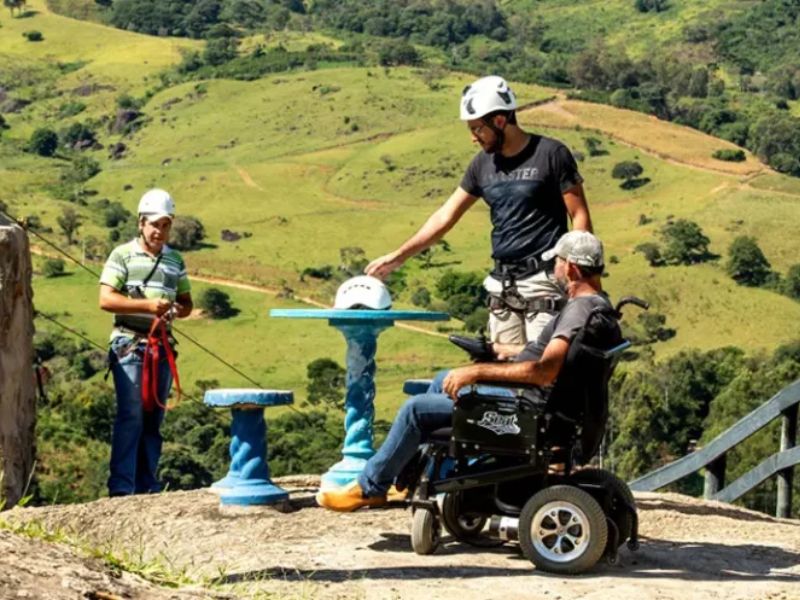
Socorro City/Photo: Shane Glen ©SoulpicsPhotography
São Sebastião
The Accessible Beach project in São Sebastião ensures beach and sea access for people with disabilities and seniors with reduced mobility. The service is supported by trained professionals using special beach wheelchairs, available at Praia Grande and Praia da Baleia. For more information, visit the website: https://www.saosebastiao.sp.gov.br/sepedi.asp

Accessible Beach in São Sebastião/ Photo: Jorge Mesquita (São Sebastião City Hall)
Ilha Solteira
Although located 732 kilometers from the ocean, this tourist destination was a pioneer in accessibility in Brazil, being the first river beach in the country to offer wheelchair accessibility. The equipment allows people with disabilities and/or reduced mobility to enjoy Praia Catarina in an inclusive way — perfect for a refreshing swim in the Paraná River. The wheelchairs are available on-site for visitors with special needs, allowing them to safely enter the water and enjoy the experience with friends and family. For more information: https://ilhasolteira.sp.gov.br/
Discover more destinations and experiences at: https://www.turismo.sp.gov.br/guia-da-diversidade
Luxury Tourism in São Paulo
São Paulo features sophisticated neighborhoods that offer the best in hospitality, fine dining, upscale shopping, and exclusive experiences. Below, we highlight the top areas in the city for travelers seeking luxury, comfort, and authenticity:
Jardins
One of the city’s most elegant neighborhoods, ideal for exploring high-end designer boutiques along Oscar Freire Street, dining at award-winning restaurants, and staying in five-star hotels sucha as Fasano and Emiliano. This area blends charm and sophistication.
Itaim Bibi
A mix of contemporary luxury and urban convenience. Home to some of the city’s trendiest rooftop bars, gourmet restaurants, and upscale business hotels. Ideal for both leisure travelers and executives who value refinement.
Vila Olímpia
Modern, vibrant, and a strong corporate hub, Vila Olímpia also offers luxury shopping at JK Iguatemi Mall, exclusive rooftop lounges, spas, and fine dining. A great choice for those seeking premium entertainment and top-tier infrastructure.
Morumbi / Panamby
A green retreat for those who seek peace without compromising on luxury. Home to Palácio Tangará, one of Brazil’s most luxurious hotels, nestled next to Burle Marx Park. Perfect for relaxing in nature with five-star service.
Higienópolis
A traditional and refined neighborhood, known for its tree-lined streets, classic architecture, art galleries, and signature restaurants. It offers a more intimate and cultural atmosphere, highly appreciated by discerning visitors.
The countryside of São Paulo state offers unique experiences in destinations that blend comfort, sophistication, and lush nature — perfect for those seeking luxury and exclusivity beyond the capital:
Campos do Jordão
This charming destination stands out for its mild climate, European-inspired architecture, and elegant hotel scene. A classic winter getaway, it’s ideal for travelers seeking refined cuisine, fondue experiences, cozy mountain chalets and breathtaking natural landscapes.
São Roque
São Roque, known as the “Land of Wine,” is renowned for its picturesque vineyards and sophisticated wineries. It offers luxury boutique hotels, gourmet dining, and exclusive wine tasting tours. Nestled among gentle hills, São Roque blends rural beauty with refined experiences, making it an ideal destination for wine lovers and luxury travelers alike.
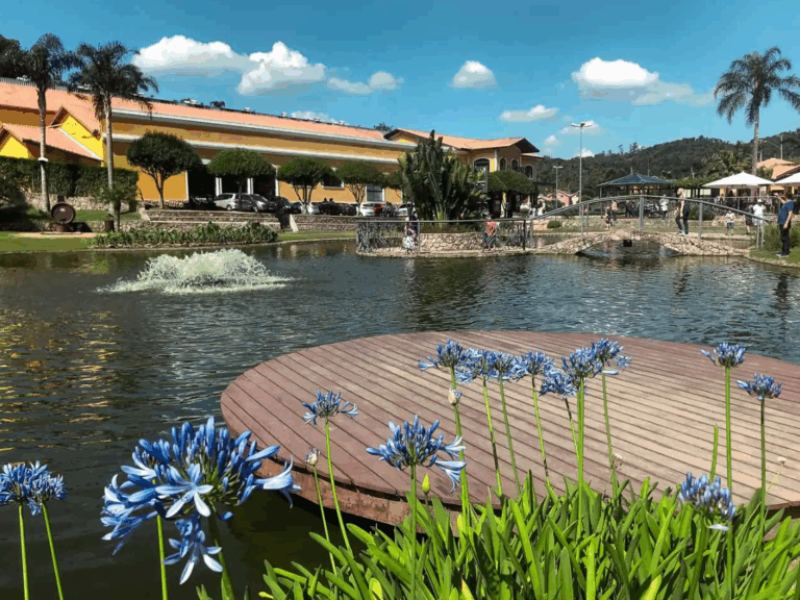
São Roque/ Photo: Rosanetur / Flickr
Discover more destinations and experiences at: https://www.turismo.sp.gov.br/guia-tematico-turismo-de-luxo
Tourism in São Paulo for 60+ Travelers
Senior travel in the state of São Paulo offers welcoming, accessible, and culturally rich experiences. From thermal spa towns to mountain and historic destinations, it’s ideal for those seeking comfort, relaxation, and leisure at their own pace.
Águas de Lindóia
A spa town known for its therapeutic thermal waters, accessible and well-structured infrastructure, well-maintained streets, and peaceful leisure options such as paddle boat rides and horse-drawn carriage tours.
Atibaia
A city with a mild climate, rich in natural and cultural attractions such as the Strawberry Festival, the cable car, and Pedra Grande (a panoramic viewpoint). It also features local museums and a pleasant forested area for easy walks.
Discover more destinations and experiences at: https://www.turismo.sp.gov.br/guia-da-maturidade-sp
Whether in the vibrant capital or the charming countryside, São Paulo always has something new to surprise you — come explore, experience, and fall in love with this unique destination!
Want to dive deeper? Discover São Paulo region by region: Discover São Paulo Region by Region